


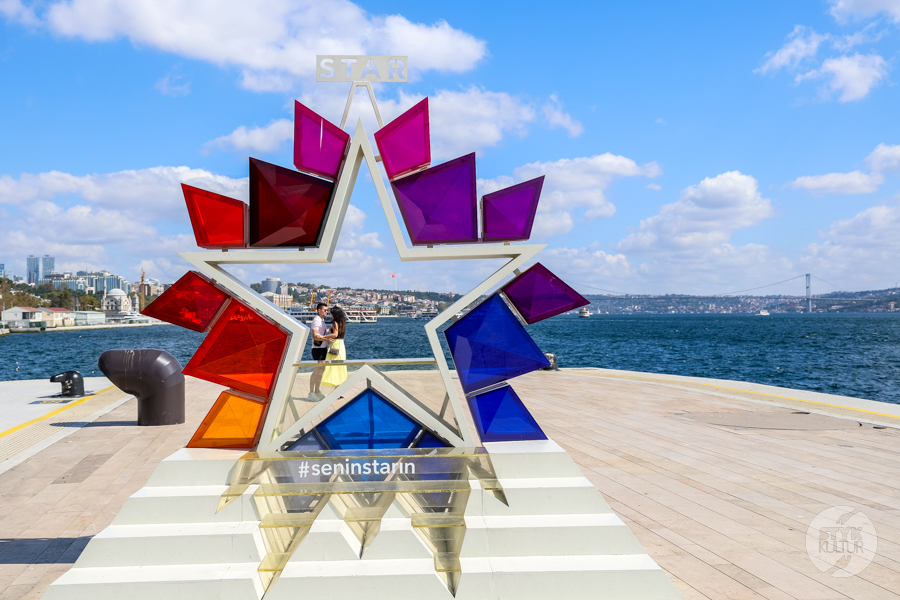
Galataport Istanbul is one of the city’s newest landmarks, but it is far more than a cruise terminal. Located in Karaköyon the European shore of the Bosphorus, the waterfront has been transformed from a restricted industrial port into a vibrant public space where locals and visitors come to walk, dine, shop and enjoy views of the water.
Rather than competing with Istanbul’s historic attractions, Galataport offers a different perspective on the city—one that reflects its modern identity while remaining closely connected to its maritime heritage.

What Is Galataport Istanbul?
Opened in 2021 after an extensive redevelopment project, Galataport stretches for approximately 1.2 kilometres (0.75 miles) along the Bosphorus waterfront.
The complex combines several functions in one location:
- an international cruise terminal,
- a waterfront promenade,
- restaurants and cafés,
- museums and cultural venues,
- shopping areas,
- public spaces overlooking the Bosphorus.
Today, it is one of the few places in central Istanbul where residents and visitors can enjoy uninterrupted access to the waterfront.
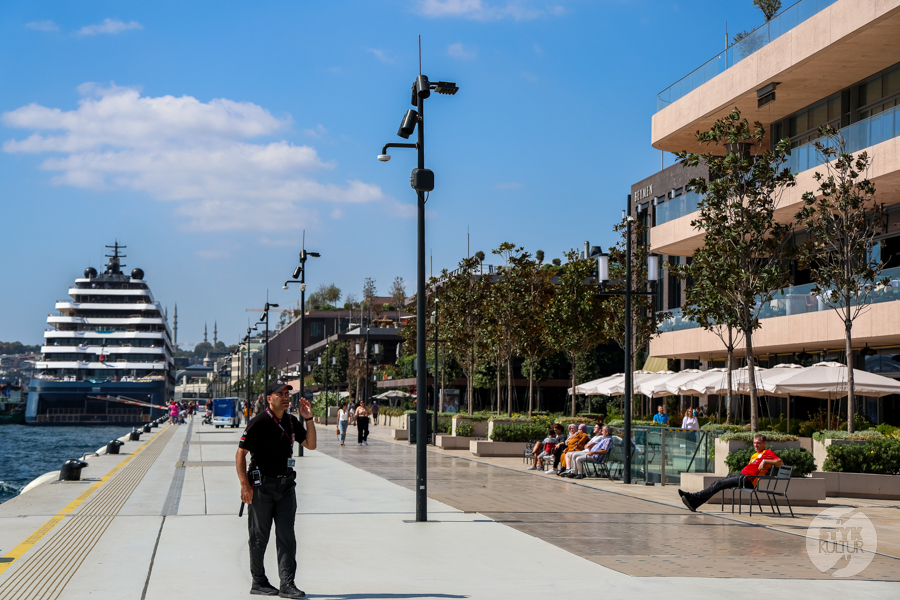
Walking along the promenade offers constantly changing views of ferries, cargo vessels and international cruise ships passing through one of the world’s busiest waterways.


The Cruise Terminal You Hardly Notice
Perhaps the most innovative feature of Galataport is that its primary function remains largely hidden.
The cruise terminal itself operates below ground, where passport control, customs procedures and baggage handling take place out of sight.
At street level, there are no permanent barriers separating the city from the waterfront. Visitors can walk freely along the promenade, relax at outdoor cafés or watch enormous cruise ships dock just a few metres away.
This unusual design allows the port and the city to coexist without creating the physical separation normally associated with major cruise terminals.
From Working Port to Waterfront Destination
Only a few decades ago, this part of Karaköy looked very different.
The waterfront was occupied by warehouses, industrial buildings and port facilities that effectively cut the city off from the Bosphorus.
Plans to redevelop the area first emerged during the 1980s, but the transformation did not begin in earnest until construction started in 2015.
After several years of redevelopment, Galataport officially opened in 2021, becoming one of the largest urban renewal projects in modern Istanbul.

Who Visits Galataport?
Galataport attracts several distinct groups of visitors throughout the day.
One of the most visible groups consists of cruise passengers, who arrive in large numbers before dispersing into the Historic Peninsula and surrounding neighbourhoods. Their visits are usually brief, lasting only a few hours before they return to their ships.
Independent travellers often include Galataport while exploring Karaköy, appreciating its quieter atmosphere compared with the busier streets around Sultanahmet.
The character of the waterfront changes noticeably in the evening.
As the cruise crowds disappear, more Istanbul residents arrive to meet friends, enjoy the sea views or take an evening stroll. At this point, Galataport feels less like a tourist destination and more like a genuine part of the city.

Restaurants and Cafés Along the Bosphorus
One of Galataport’s biggest attractions is its long row of restaurants and cafés overlooking the Bosphorus.
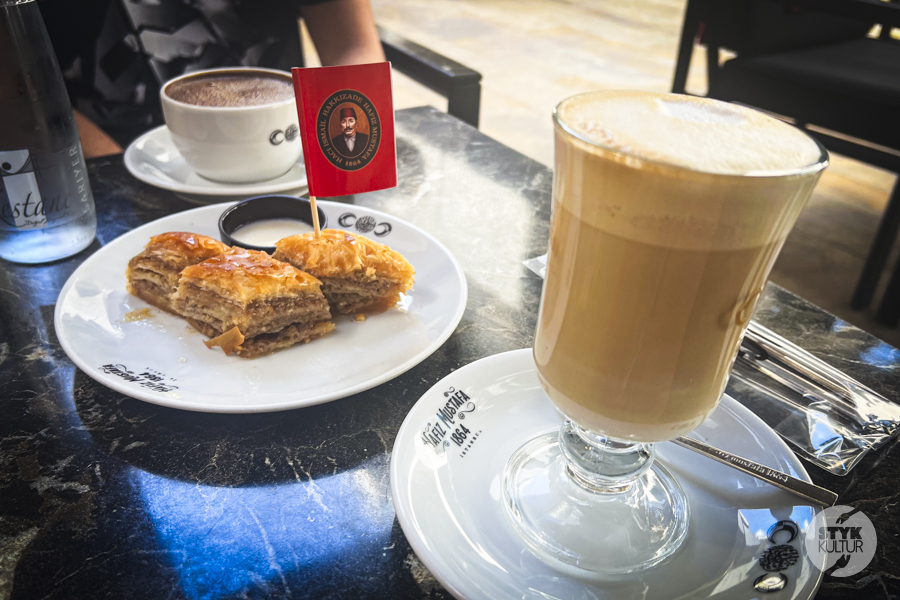
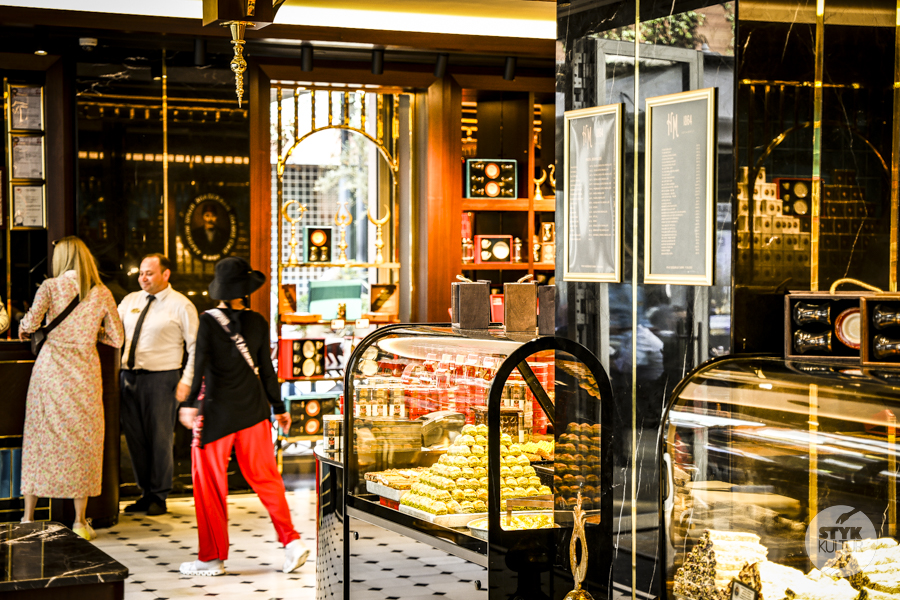
During the day, cafés dominate the waterfront, with visitors stopping for Turkish coffee, desserts or simply a break while enjoying the view.
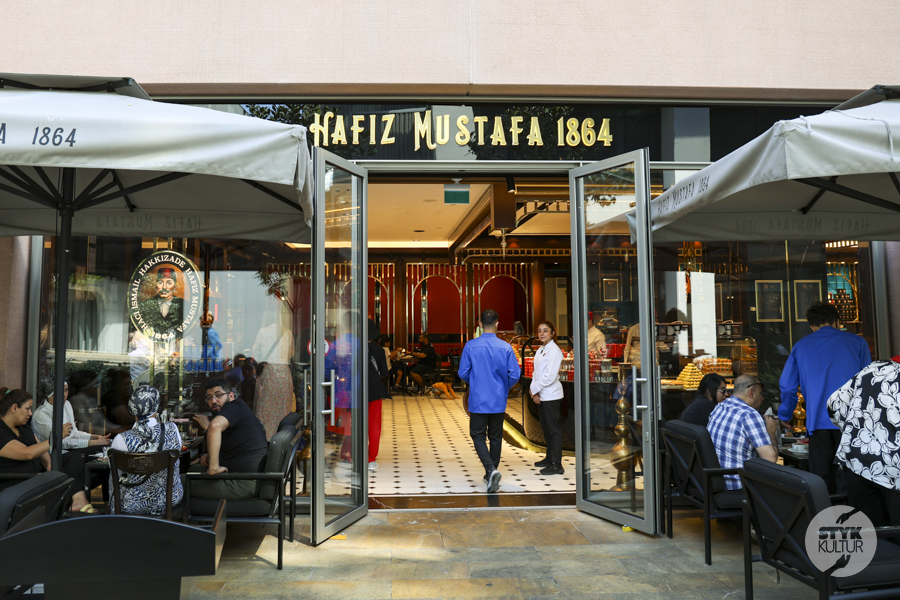
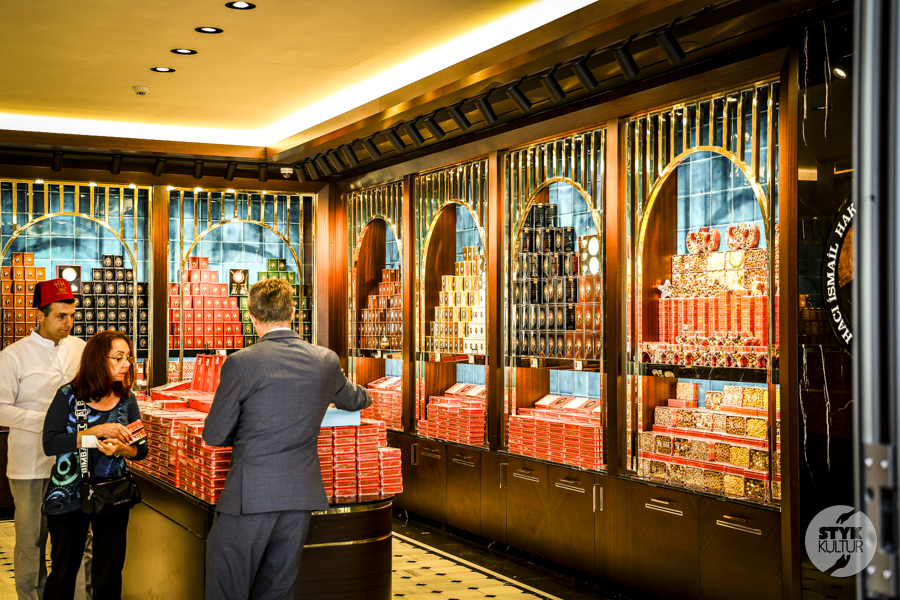
Among the best-known names is Hafız Mustafa 1864, one of Turkey’s most famous confectioners, where visitors can sample traditional Turkish sweets and desserts.
In the evening, the atmosphere becomes more relaxed as restaurants fill with both locals and visitors.
The dining scene is international in character. Alongside Turkish cuisine, many restaurants serve Mediterranean and Asian-inspired dishes, reflecting Galataport’s role as an international destination.

Shopping at Galataport
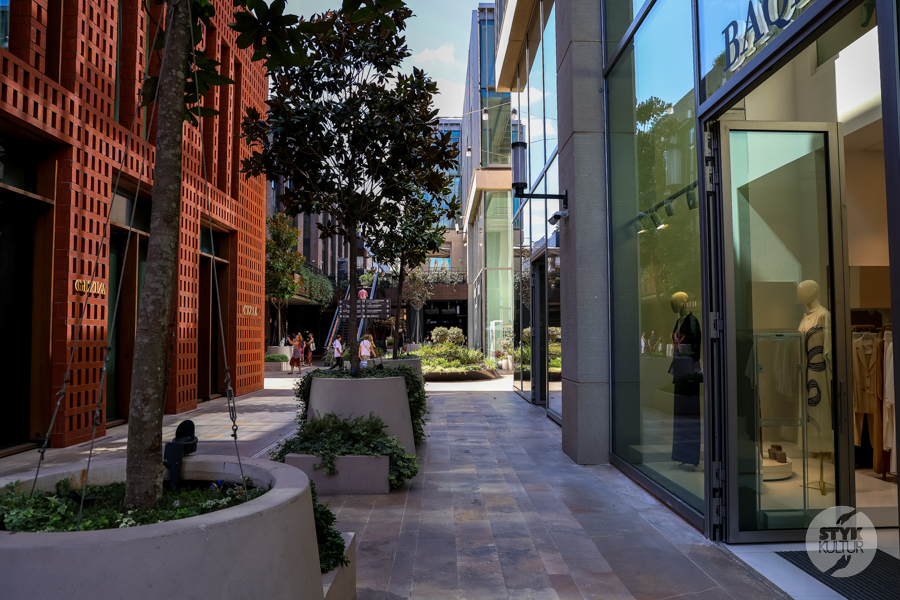
Galataport’s shopping area reflects the overall character of the development—modern, carefully designed and focused on premium retail.
Alongside international brands, visitors will also find Turkish fashion, lifestyle and design stores presented in a contemporary setting rather than the traditional bazaar style found elsewhere in Istanbul.
One particularly successful aspect of the redevelopment is the restoration of historic buildings such as the Paket Postanesi (Parcel Post Office), which has been carefully integrated into the complex as a cultural and commercial space.
These restored buildings provide an important reminder of the area’s history while blending naturally into its modern surroundings.
Where Modern Istanbul Meets History
One of Galataport’s greatest strengths is its location.
Within just a few minutes’ walk, visitors can leave the contemporary waterfront behind and reach historic landmarks such as the Kılıç Ali Pasha Mosque or the eighteenth-century Tophane Fountain.
Rather than attempting to imitate Ottoman architecture, Galataport embraces a contemporary design language, creating a striking contrast between historic Istanbul and its modern waterfront.
A Project That Sparked Debate
Like many major urban redevelopment projects, Galataport has generated public debate.
Supporters see it as a successful example of reconnecting Istanbul with its waterfront while creating valuable public space.
Critics, however, have questioned aspects of the redevelopment, including its commercial focus and the impact of construction on neighbouring historic buildings.
These discussions have become part of the broader conversation about how Istanbul continues to evolve while balancing modern development with the preservation of its historic character.


How to Get to Galataport
Galataport is easy to reach using public transport.
The Tophane stop on Tram Line T1 is located directly beside the complex.
Nearby ferry terminals at Karaköy and Kabataş provide convenient connections to Istanbul’s Asian side, while nearby funicular lines offer quick access to higher districts, including the area around Taksim Square.

Is Galataport Worth Visiting?
Galataport is not a replacement for Istanbul’s historic landmarks, nor is it intended to be.
Instead, it offers a completely different experience—a chance to slow down, enjoy the waterfront and discover another side of the city.
It’s an excellent place to pause between sightseeing, have a coffee overlooking the Bosphorus or simply experience how modern Istanbul has reconnected with its shoreline.

Galataport Istanbul FAQ
Is Galataport Free to Visit?
Yes. The waterfront promenade and public spaces are freely accessible to everyone.
Is Galataport Worth Visiting?
Yes, especially if you’re already exploring Karaköy, Tophane or nearby neighbourhoods. It offers a refreshing contrast to Istanbul’s historic districts.
Is Galataport Good for Restaurants and Cafés?
Yes. The waterfront is home to a wide variety of cafés and restaurants, making it one of the city’s most enjoyable places for a meal or coffee with Bosphorus views.

Is Galataport a Good Place for an Evening Walk?
Absolutely. After sunset, the promenade becomes noticeably quieter and is popular with locals enjoying an evening stroll along the waterfront.
How Much Time Should You Spend at Galataport?
Most visitors spend one to two hours exploring the promenade, relaxing at a café or restaurant, and enjoying the waterfront atmosphere.
Is Galataport Good for Shopping?
Yes. The complex features a carefully curated mix of international and Turkish brands, with a stronger emphasis on contemporary shopping than traditional bazaars.


