


In the very heart of Istanbul’s Ortaköy district, right on the shores of the Bosphorus, one of the most distinctive dishes of Turkish street food has reigned supreme for years: kumpir. This massive baked potato, stuffed with butter, kaşar cheese, and dozens of colorful toppings, has become a culinary symbol of this part of Istanbul. Tourists travel here not only for the taste but also for the unique atmosphere of a place where history, Bosphorus views, and the aroma of freshly baked potatoes create one of the most authentic local culinary experiences in Turkey.

Kumpir: The Turkish Baked Potato That Became an Istanbul Icon
There are dishes you can find almost anywhere, yet they only truly resonate in a single, specific place. This is precisely the case with kumpir—a massive, oven-baked potato stuffed with dozens of toppings, which has risen to the rank of a major culinary icon in Istanbul’s Ortaköy district. While the dish itself may seem simple, its phenomenon is inseparable from the atmosphere of the neighborhood where it gained its fame. The view of the Bosphorus, the aroma of roasting potatoes, the shimmering lights of the bridge, and the bustling crowds of strollers make kumpir in Ortaköy far more than just ordinary street food. It is a vital part of the city’s ritual and one of the most distinctive flavors of this unique area.
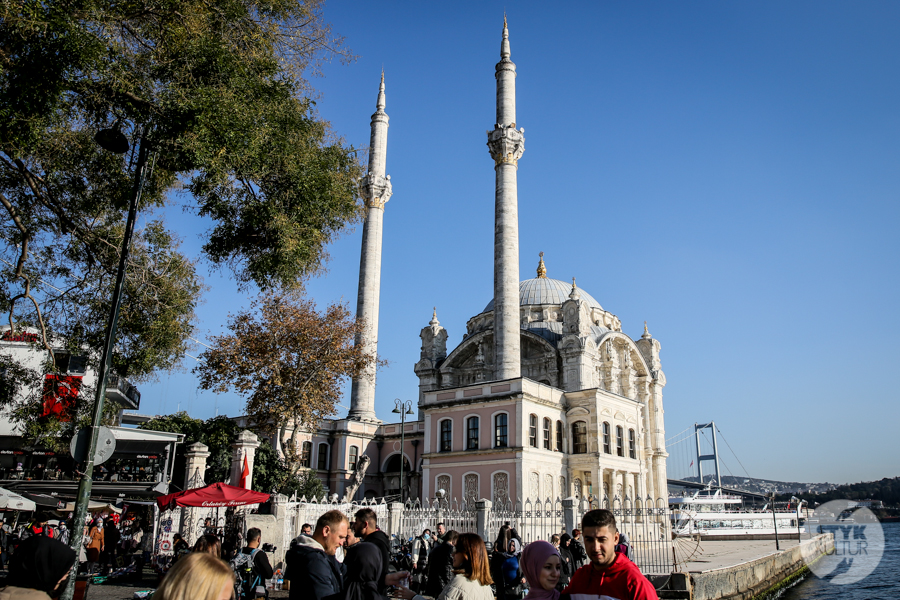
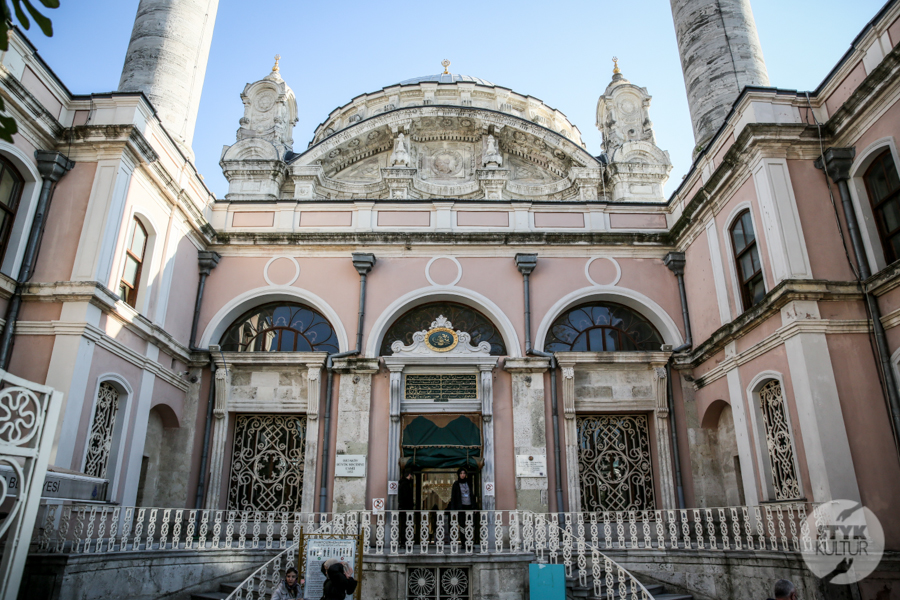
Ortaköy: A Historic District on the Bosphorus
Ortaköy is one of Istanbul’s most iconic districts, situated on the European shore of the Bosphorus in the Beşiktaş area, resting directly beneath the monumental 15 July Martyrs Bridge. For centuries, this district has been regarded as a unique destination, both historically and culturally. Dating back to Byzantine times—when it was known as Arkheion and Ayios Fokas—it served as a significant site along the Bosphorus, home to palaces and monasteries. The Turks began settling here in the 16th century, during the reign of Suleiman the Magnificent.
For centuries, Ortaköy was a place of peaceful coexistence among diverse communities. Muslims, Greek Orthodox Christians, Jews, and Armenians all lived here, establishing one of the most cosmopolitan parts of old Istanbul. The finest symbols of this multicultural heritage remain three historic religious sites standing in close proximity: the Ortaköy Mosque, the Greek Orthodox Church of Ayios Fokas, and the Etz Ahayim Synagogue.
Contemporary Ortaköy has successfully preserved its unique charm. The district is renowned for its vibrant cafés, restaurants, nightlife, and weekend arts and crafts markets. Stalls here offer traditional Turkish nazar amulets, jewelry, and handmade ornaments. Yet, despite its many attractions, it is the kumpir that remains the most recognizable symbol of this historic neighborhood.


What Exactly is Kumpir?
Kumpir is a massive baked potato prepared in a distinctively Turkish style. Once baked, the potato is sliced down the middle, and its interior is thoroughly mashed with butter and melted kaşar cheese, resulting in an exceptionally creamy and fluffy texture. This step serves as the foundation for what is arguably the most important part of the process: selecting the toppings.
It is these toppings that set the Turkish kumpir apart from the classic baked potatoes known in Western Europe. In Ortaköy, stalls offer a vast array of ingredients, including olives, corn, peas, pickles, pickled beets, red cabbage, Russian salad, sausages, various types of mezze, and the spicy acılı ezme paste. Frequently, the dish is finished with a drizzle of mayonnaise and ketchup—a combination that often surprises tourists but remains a quintessential element of the Turkish version of this dish.
The potato itself plays a key role. A true kumpir requires an exceptionally large variety of potato with a subtly sweet flavor and the perfect texture. The finest specimens are widely considered to be those from the Ödemiş region in Western Anatolia, where the soil and climate are ideally suited for these specific crops.


Where Does the Name “Kumpir” Come From?
The word “kumpir” does not have Turkish roots. It derives from South Slavic languages, specifically the Serbo-Croatian terms krompir or kompir, which simply mean “potato.” Over time, this term migrated into certain regions of Anatolia and eventually became firmly established in Turkish culinary culture.
The origins of the dish itself also point beyond Turkey. Culinary historians suggest that the ancestor of the modern kumpir was the Balkan krumpir—a baked potato wrapped in foil and stuffed with a simple salad. There are also theories regarding Russian influences. However, the contemporary Turkish version is significantly more elaborate and differs markedly from its predecessors.
Importantly, the kumpir in its current form is a relatively young culinary phenomenon. The true boom for this dish did not occur until the 1990s, when street stalls in Ortaköy began attracting ever-growing crowds of locals and tourists alike.

Why Did Ortaköy Become the Capital of Kumpir?
While there are hundreds of variations of baked potatoes worldwide, Ortaköy is the place that transformed kumpir into an urban legend. For years, the entrance to the district’s main square has looked the same: a row of small shops and stalls, side by side, with windows overflowing with colorful toppings.
However, the phenomenon of this place lies in more than just the food. Kumpir in Ortaköy functions as part of a specific urban experience. People buy a hot potato, sit on the benches near the historic 1723 Damat İbrahim Pasha fountain, and watch the Bosphorus. Ferries pass by, the massive bridge stretches overhead, and the elegant silhouette of the Ortaköy Mosque reflects in the water in the background.
It is this combination of street food and extraordinary scenery that has elevated kumpir from an ordinary fast food snack into a true staple of Istanbul’s identity.


Is Kumpir Considered Fast Food?
Formally, yes, as it is prepared quickly and sold primarily on the street. At the same time, however, Turkish kumpir differs significantly from typical Western fast food. It is based primarily on a baked vegetable and a wide variety of vegetable-based toppings. Many people view it as a much lighter and more natural alternative to burgers or fried snacks.
Of course, a lot depends on the number of toppings and the amount of sauce used, but the foundation of the dish remains relatively simple and based on natural ingredients. This is why kumpir is often referred to as “the fast food that doesn’t feel like fast food.”
The “False” Kumpir: Yalancı Kumpir
In Turkish cuisine, there is also a lesser-known variation called yalancı kumpir, which translates to “fake kumpir.” In this version, the large, skin-on baked potato—which serves as the edible bowl in the traditional dish—is not used. Instead, a mixture based on vegetables and legumes is prepared, which merely evokes the classic flavor profile of the original.


Kumpir as a Global Brand
Although the heart of kumpir culture remains in Ortaköy, the popularity of this dish has long since transcended the borders of Istanbul. Brands originating from this district began opening locations across Turkey and, subsequently, abroad. Today, restaurants specializing in authentic Turkish kumpir can be found in many European countries, including Poland.


